Our 2028 Strategy:
Win, and Keep Winning
What we do next will determine whether this election is yet another temporary swing in the balance of power or the beginning of a sustained era of Democratic power that delivers consistently and materially for the American people.
2026
Won large majorities in the House and Senate, and won back state houses and governor’s offices in several states.
Build infrastructure and people power to support elected Democrats and 2028 campaigns for the House, Senate, and White House
2027
Elect a governing majority, including both chambers of Congress and the White House, and further expand power in the states.
2028
Win the midterms and secure key state legislative majorities and governorships ahead of redistricting.
2030
Expand the presidential map after the Electoral College reapportionment and elect a durable governing majority.
2032
Where we are now
Across the country, voters rejected Trump in the 2026 midterm elections, including in places Democrats haven’t won in generations.
Progressive and centrist Democrats alike won in red districts and red states, making inroads with new voters, MAGA voters, unlikely voters, and across virtually every demographic group.
A combination of strong candidate matchups, disciplined messaging, and good organizing helped deliver these victories, but so did a powerful wave of anti-Trump sentiment.
We cannot take these victories for granted. Without Trump on the ballot in 2028, there is no guarantee that the people who voted for Democrats in 2026 will continue to show up.
This win creates a historic opportunity for Democrats to earn the trust of a broader set of voters.
Voters are deeply frustrated with a political system they believe is broken and doesn't work for them, regardless of who's in power. They also lack confidence that Democrats can deliver on their promises.
Democrats must seize the opportunity to welcome in the people who took a chance on them this year—Republicans who voted for Trump, independents, and people who feel left behind—and show voters that their Democratic representatives can deliver.
Simultaneously, Democrats must embrace our greatest strategic advantage—grassroots people power. That means providing opportunities for volunteers to connect with more types of voters, and show up consistently between elections. It will take real people listening to voters’ concerns, demonstrating that they care, and making clear how Democrats are fighting for them to earn their lasting trust.
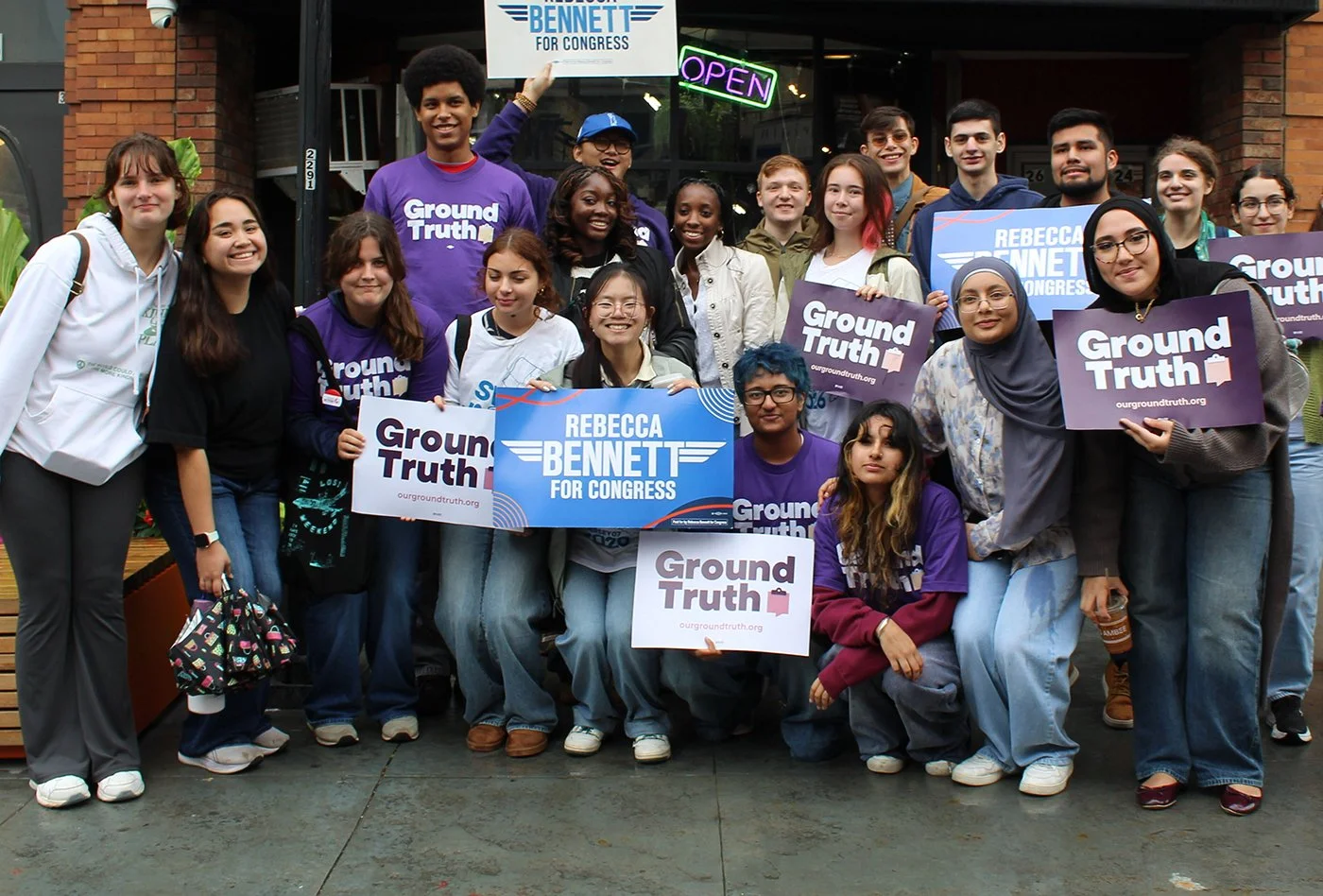
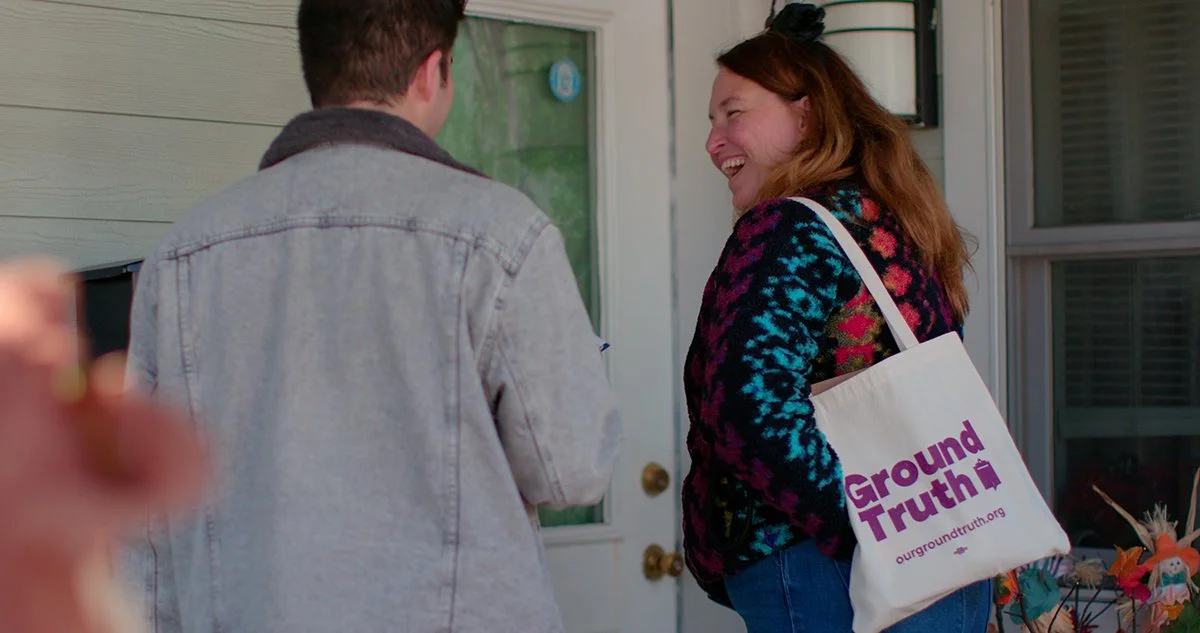
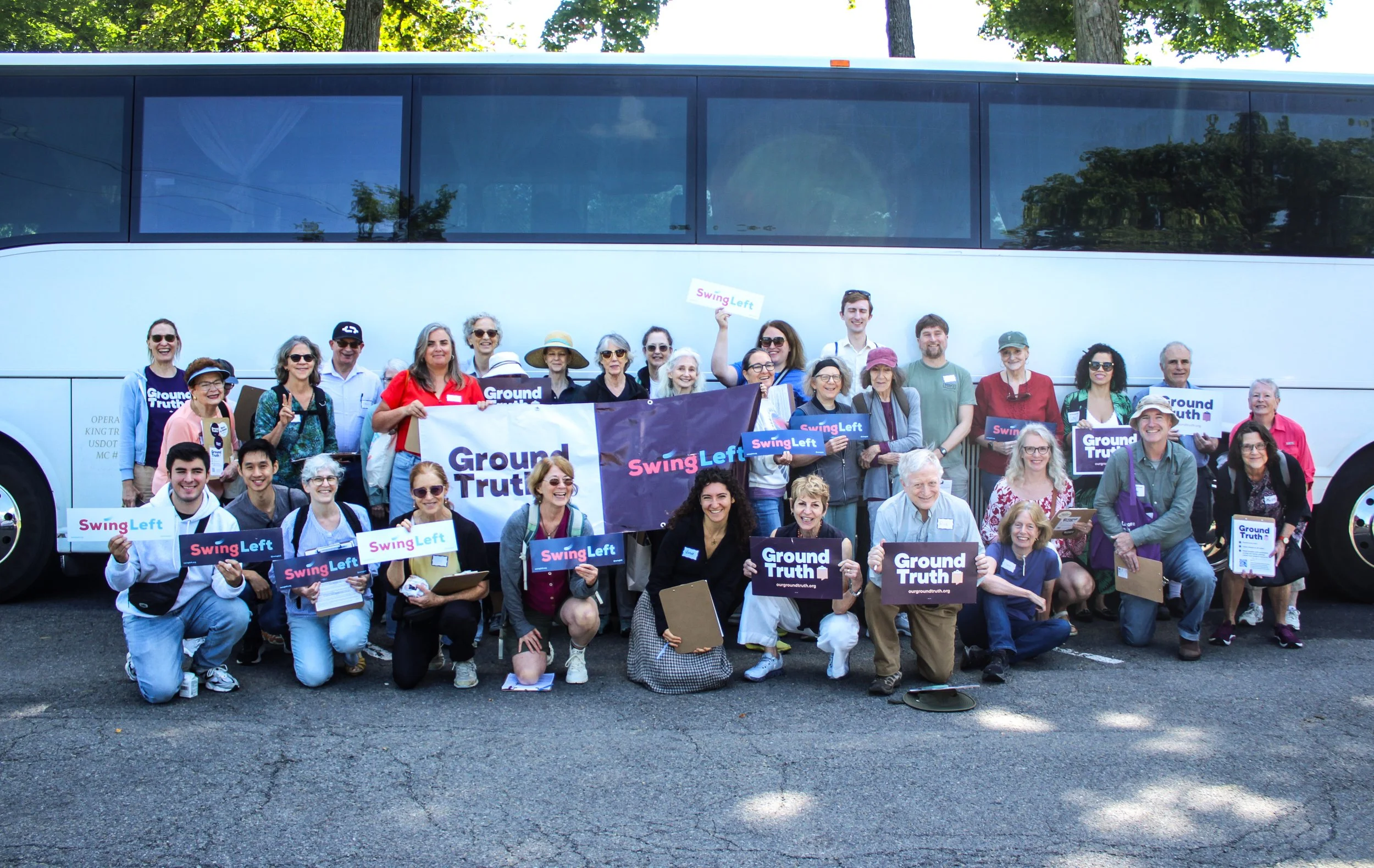
We spent the last year proving with Ground Truth that building trust with all kinds of voters is possible
After Democratic losses across the board in 2024, Swing Left took a hard look at our own work and at how Democrats do voter contact. Too much of it started too late, reached too few people, and felt transactional.
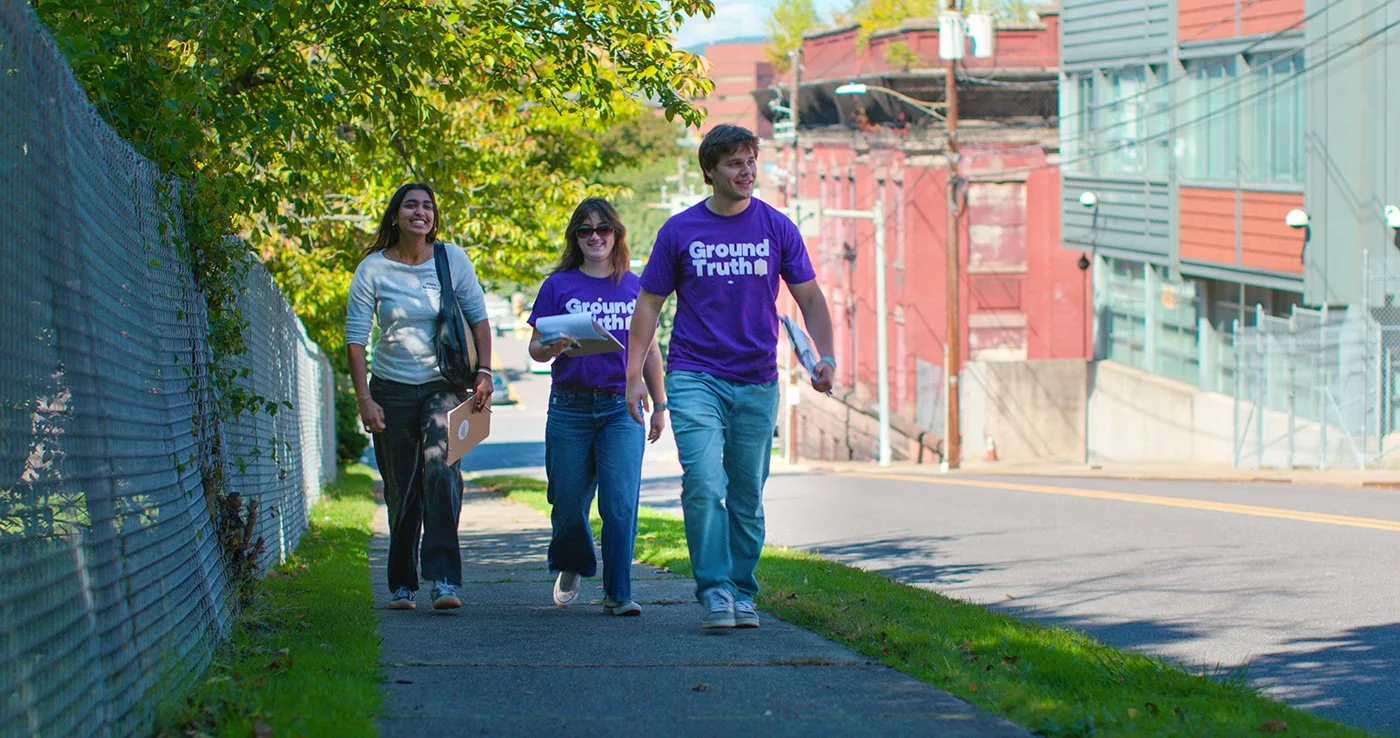
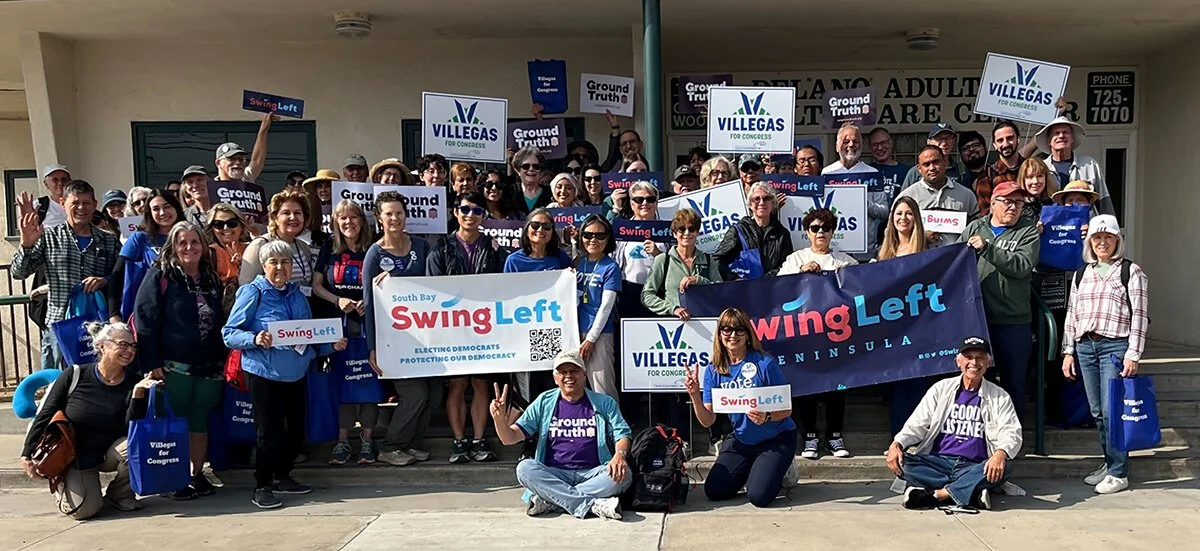
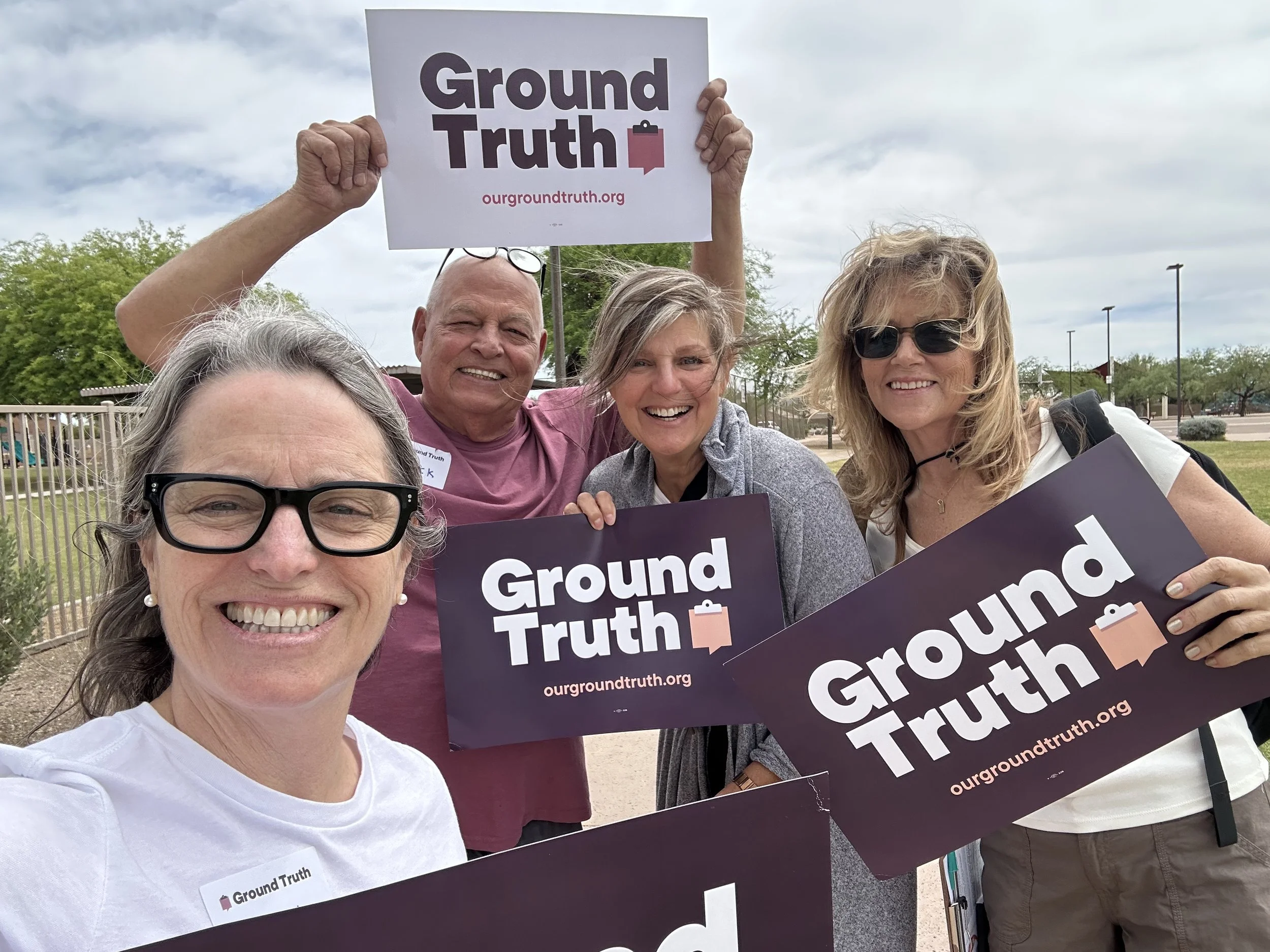
In 2025, we launched Ground Truth, a new model of volunteer-powered organizing rooted in deep listening, persuasion, and real conversations with voters of all kinds. Our goals were to rebuild voter trust in Democrats by showing up to deeply listen, gather rich, textured voter intelligence, and share that with campaigns and party committees to improve their messaging and outreach strategies. To do that we built new technology and data infrastructure, pioneered new approaches to campaign coordination, and demonstrated the potential of volunteers to do far more than traditional campaigns ask of them.
In a single cycle, Ground Truth went from an idea to a working model and proof of what’s possible. Nearly every campaign in our battlefield backed it, and volunteers described it as unlike anything they’d done before. Swing Left volunteers knocked on 237,000 doors and made 1.5 million phone calls, resulting in 80,000 conversations with voters in the most competitive races. One in three people they talked to have Democratic support scores under 40%, people a typical campaign would skip.
We also learned what it will take to go bigger: start earlier, build the tools and partnerships before the cycle begins, and organize at a far larger scale.
Where we need to go
Democrats now have a generational opportunity to turn this historic repudiation of the president into lasting trust in Democrats, cementing and growing an expansive coalition to win the presidency and sustain large Democratic majorities in 2028 and beyond.
This expanded 2026 coalition is neither large enough nor committed enough to withstand the challenges ahead, including:
governing in divided government for the next two years
Trump not being on the ballot in 2028
continued Republican gerrymandering
threats to the Voting Rights Act
and the likely shift in political power following the 2030 Census and reapportionment.
We cannot build durable majorities simply by getting better at mobilizing the coalition we already have to turn out to vote. We need to expand it and make it stronger: by reaching voters Democrats have traditionally overlooked or written off, and by persuading people who don’t yet agree with us, especially on issues where voters trust Democrats least. To sustain the wins of 2026 and win the critical elections ahead, Democrats must embrace a politics of addition.
That requires a fundamental shift from optimizing for efficiency within a narrow electorate to building the broader, stronger, more committed coalition we need to win in 2028, 2030, and beyond.
To embrace this opportunity to build durable power, Democrats need to harness our strategic advantage—people power—to pursue five interconnected priorities:
Show that Democratic governance can materially improve people's lives. Democratic elected officials need to show, with urgency, that government can deliver for people: fighting for legislation that improves their lives and making clear who stands in the way, while improving access to public benefits, strengthening constituent services, and reaching out year round so people’s concerns are heard and addressed.
Hold Republican elected leaders accountable. Democrats need to clearly, tangibly, and proactively demonstrate to voters how decisions made by Republicans in elected office are affecting their lives, their families, and their communities. That requires sustained engagement connecting Republican decisions to their real-world consequences, rather than relying disproportionately on advertising in the final weeks before an election.
Invest in the slow, patient work of changing public opinion where Democrats are electorally weakest. We cannot build durable majorities by avoiding issues where public opinion is unfavorable to us. As we saw with once-controversial issues like marriage equality and reproductive freedom, sustained human-to-human persuasion can fundamentally shift public opinion. We need to make that long-term work a strategic priority.
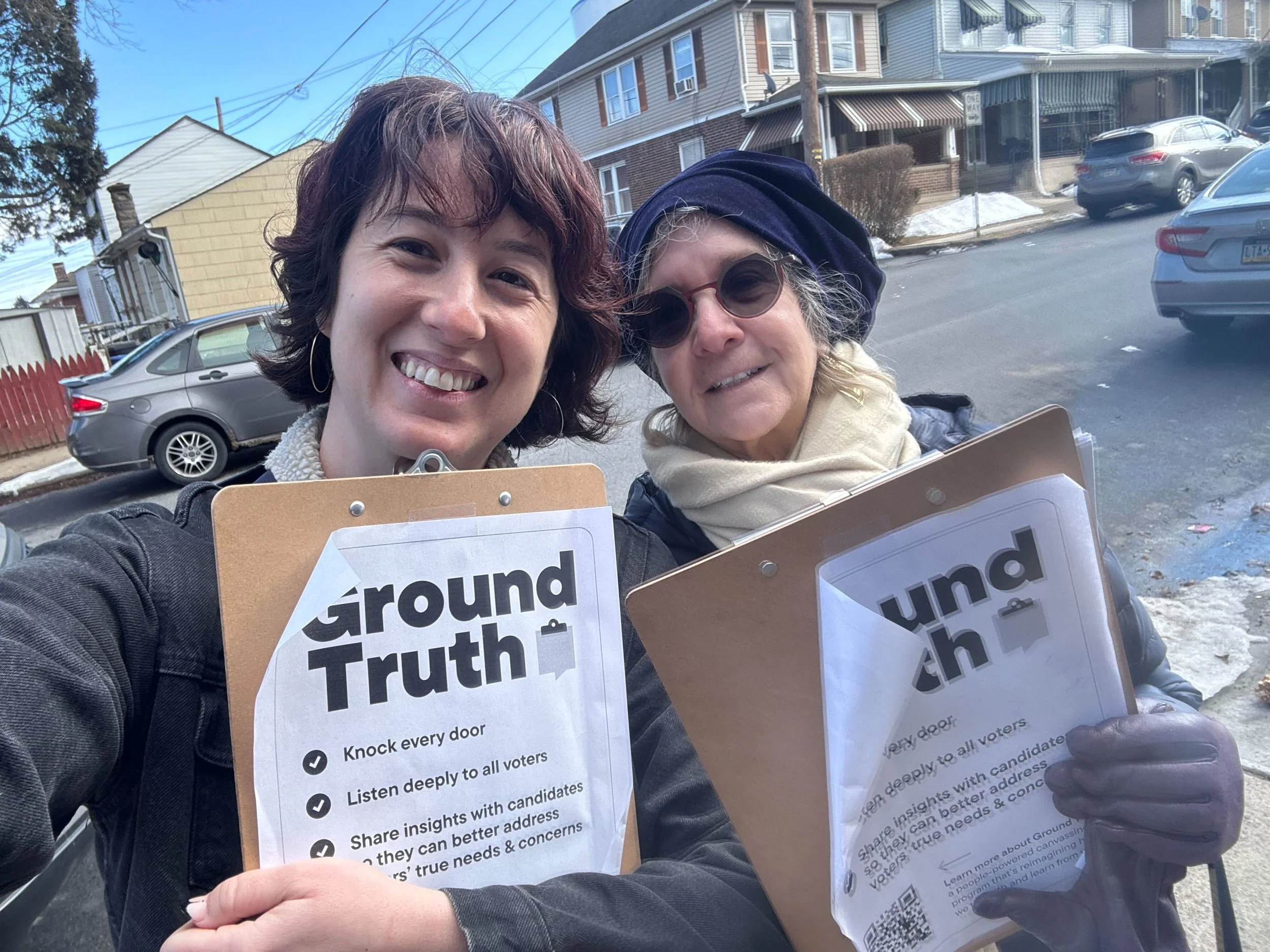
Lean into one of Democrats’ greatest strategic advantages: grassroots volunteers who are clamoring to do more. People power is something money can’t buy, and Democrats can’t continue to turn it on and off between elections. Rather than treating volunteers as an auxiliary resource, we should build our organizing strategies around their enormous potential to reach more voters and build relationships at a scale traditional paid field programs cannot. That requires investing in volunteer leadership and infrastructure well before campaigns are up and running, much less have the resources to organize at scale. It also means rethinking how outside organizations can work alongside campaigns to bring additional resources, expertise, and organizing capacity to the table.
Start building now for the 2028 general election. We cannot wait until the presidential nominee is selected to start building a winning campaign. A crowded or contentious primary could leave us with a nominee very late in the cycle, with precious little time to build the infrastructure needed to win. We need to lay that groundwork now, regardless of who ultimately wins the nomination. That means modernizing our outdated technology and data infrastructure, taking advantage of new opportunities for campaign coordination, and beginning to raise early money for the candidates who will determine the national balance of power.
How we’ll get there
Swing Left intends to play a leading role in the transformation outlined above. Our focus, starting now, is the 2028 general election. We will build on our greatest strengths: grassroots volunteers, the resources this community mobilizes, and the new approaches to voter engagement and campaign coordination we pioneered through Ground Truth.
Working alongside Democratic campaigns and key partners across the ecosystem, we will put these strengths to work to build a larger, stronger, and more durable Democratic coalition for 2028 and beyond.
Dramatically expand the scale, geographic reach, and strength of our volunteer groups. We will invest in developing volunteer leaders, growing existing groups, and building new ones, particularly in presidential battleground states, so that we enter 2028 with a much larger and stronger volunteer infrastructure.
Work with Democratic presidential campaigns throughout the primaries to help build a stronger general election organizing infrastructure. We will share what we learned in 2026 about listening-centered organizing, persuasion, technology, data, and new approaches to campaign coordination that can fundamentally change how campaigns operate. Our goal is to ensure that whoever wins the nomination can fully harness the power of grassroots volunteers in 2028.
Raise grassroots money at scale for Democratic nominees up and down the ballot. We will begin raising money now for the nominees in the House and Senate races that are most likely to shift the balance of power further in our direction, helping campaigns access critical resources earlier.
We’ll do this in three ways:
The conversation continues with our nonpartisan affiliate organization, Vote Forward.
The incoming Democratic Congress will need—in real time—to know what their constituents are saying and what actions they want Congress to take. Swing Left’s nonpartisan affiliate Vote Forward will create opportunities for volunteers to engage communities between elections.
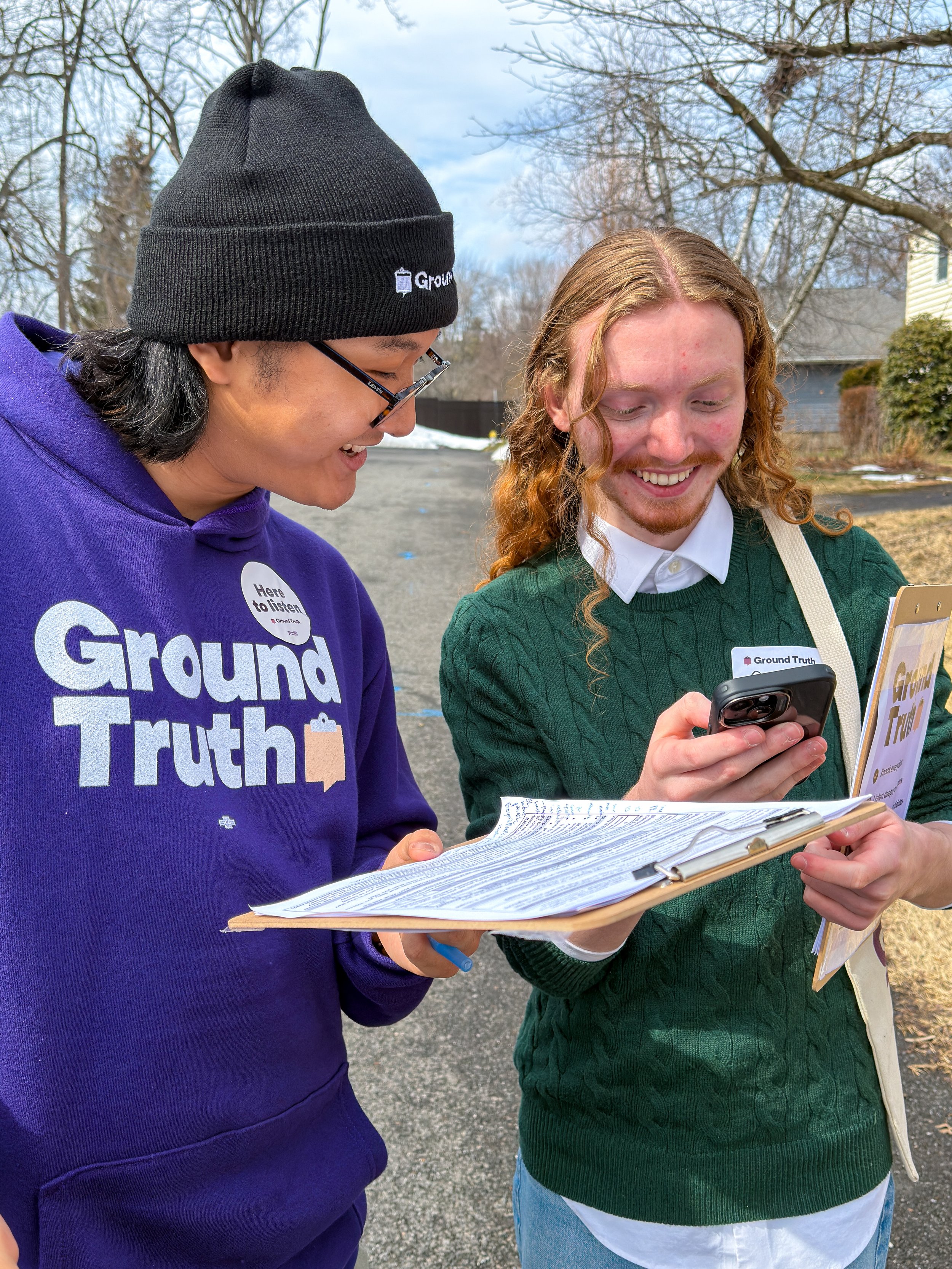
Together, we flipped Congress in 2026. Help Democrats keep winning through 2032—across the House, the Senate, and the states—so we can protect democracy, end authoritarianism, and build enduring power.
Start Building for 2028
Donate to Swing Left
Support Swing Left and our community of 1 million members as we talk with more voters, rebuild trust, and help Democrats win back power.
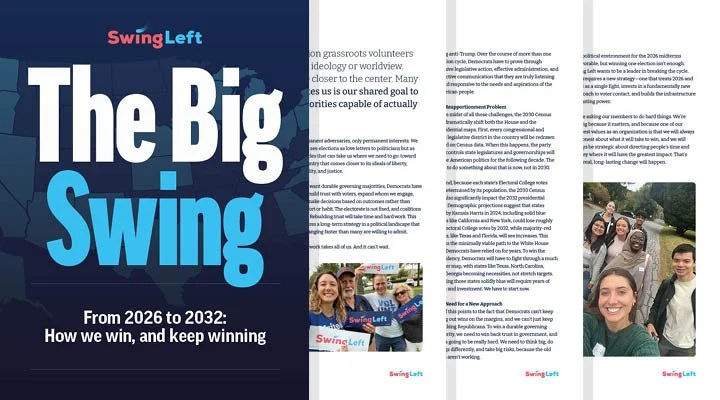
Download Swing Left’s full strategy report: