It's time to take your biggest swing to defeat MAGA. Commit to the Big Swing Challenge now.
Our 2026 Strategy:
Win, and Keep Winning
By directing grassroots energy and resources to the right targets and the right tactics, we will transform how Democrats win elections and build enduring power, now and in the future.
Our goal isn’t just to eke out a slim House majority this year.
It’s to win the midterms decisively—by margins too large to contest, with majorities too strong to fracture and powerful enough to govern—to lay the foundation for what comes next. That’s how we’ll build enduring Democratic power into the next decade.
Flip the U.S. House
Win the U.S. Senate

Build state-level power
We Face a Moment of Enormous Possibility
Our national political environment has been shifting fast. Trump’s approval is underwater, and Republicans are paying the price at the ballot box:
Off-year elections in Virginia and New Jersey, and special elections in Texas, Iowa, Pennsylvania, and Mississippi, have shown a massive swing toward Democrats.
Across all major forecasters, Democrats are leading the generic ballot going into this year’s midterms.
In this political climate, Democrats should be on track for both a massive House majority and a Senate map that’s within reach. You’d think a midterm blue wave is all but inevitable from the news.
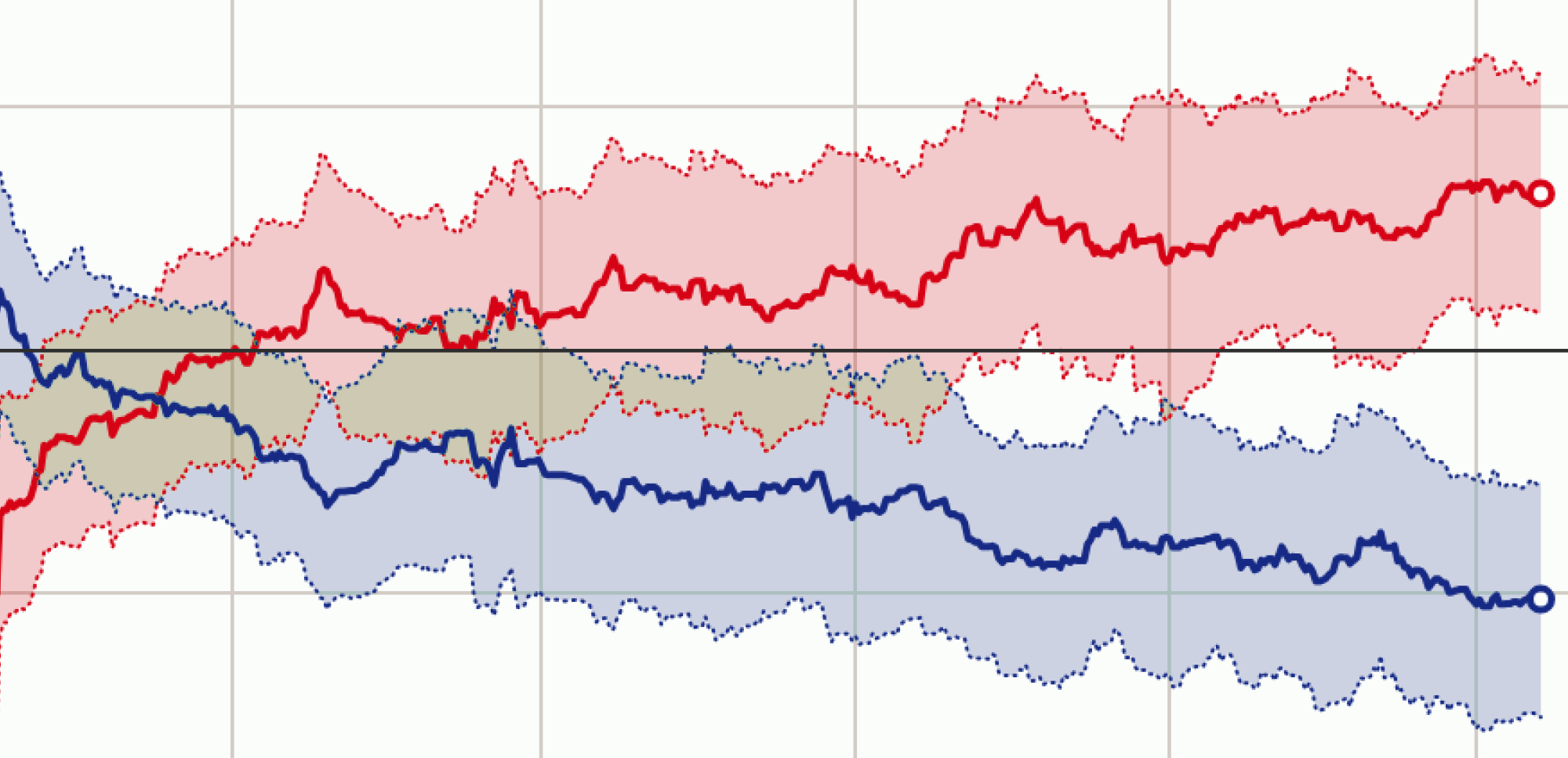
Trump Disapproval
Trump Approval
Trump approval rating via Silver Bulletin
But there’s a catch: trust in the Democratic brand is weak, and that has consequences at the ballot box.
Alone, widespread anger at Republicans can deliver big wins for Democrats—but not the kind that last. Close wins and tight majorities leave us vulnerable to retirements, election manipulation, and contested results, and they make it harder for elected officials to deliver on behalf of the American people. It’s also how we get the cycle-to-cycle whiplash that’s defined the last decade of elections, with control of Congress and the presidency repeatedly passing back and forth between parties.
After the 2030 Census, every congressional and state legislative district will be redrawn—reflecting a decade of population growth in the Sun Belt and Mountain West and decline in solid blue states like New York and California. In 2032, winning the Electoral College will likely require the Democratic presidential nominee to win not just the swing states, but traditionally red states, where Democrats haven’t competed seriously in decades.
What’s more, in the recent Louisiana v. Callais ruling, the Supreme Court cleared the way for Republican-controlled states to redraw districts to dilute the voting power of Black, Brown and other minority voters, using maps and procedural arguments to structurally weaken their ability to elect representatives of their choice. While this undoing of the Voting Rights Act—a landmark achievement of the Civil Rights Movement won through extraordinary sacrifice and struggle—will have limited impact on which party wins control of the House in 2026, the longer-term implications for representation and redistricting after 2028 are profound.
Together, the difficult 2030 reapportionment and the dismantling of the Voting Rights Act mean 2026 is about more than Congress. It’s also about winning governorships, state legislatures, and other key state-level offices that will shape the next decade of redistricting and democratic representation.
Simply winning in 2026 isn’t enough. We have to win big now, and then win again and again through 2032—across the House, the Senate, and the states—so we can protect democracy, end authoritarianism, and build enduring power.
2026
Win control of both chambers of Congress, prioritizing a strong House majority, and key state offices.
Focus on key state-level elections and early organizing in the presidential election swing states.
2027
Elect a governing majority, including both chambers of Congress and the White House, and further expand power in the states.
2028
Win the midterms and secure key state legislative majorities and governorships ahead of redistricting.
2030
Expand the presidential map after the Electoral College reapportionment and elect a durable governing majority.
2032
Support Democratic Candidates
Immediate Impact Fund
Support the most competitive Democrats, state parties, and committees where your donation will go furthest right now.
Support Year-Round Organizing
Donate to Swing Left
Support Swing Left and our community of 1 million members as we talk with more voters, rebuild trust, and help Democrats win back power.
But in order to win big, we also need to change tactics. Improving voter turnout alone will not be enough to build enduring majorities in more and more places over the next several years. To win and keep winning, we need to persuade—persuade people that Democrats will deliver for them. Persuade people that their vote really matters. And persuade people who don’t hear from Democrats very often. We believe doing that requires rebuilding trust, in a human-to-human way, one conversation at a time.
That’s why we're investing in Ground Truth, Swing Left’s innovative, volunteer-powered deep listening program. Ground Truth changes how Democrats relate to voters—starting earlier, going deeper, and reaching people that traditional campaign-led field programs typically overlook. It's how we build the trust that turns a wave election into a lasting majority.
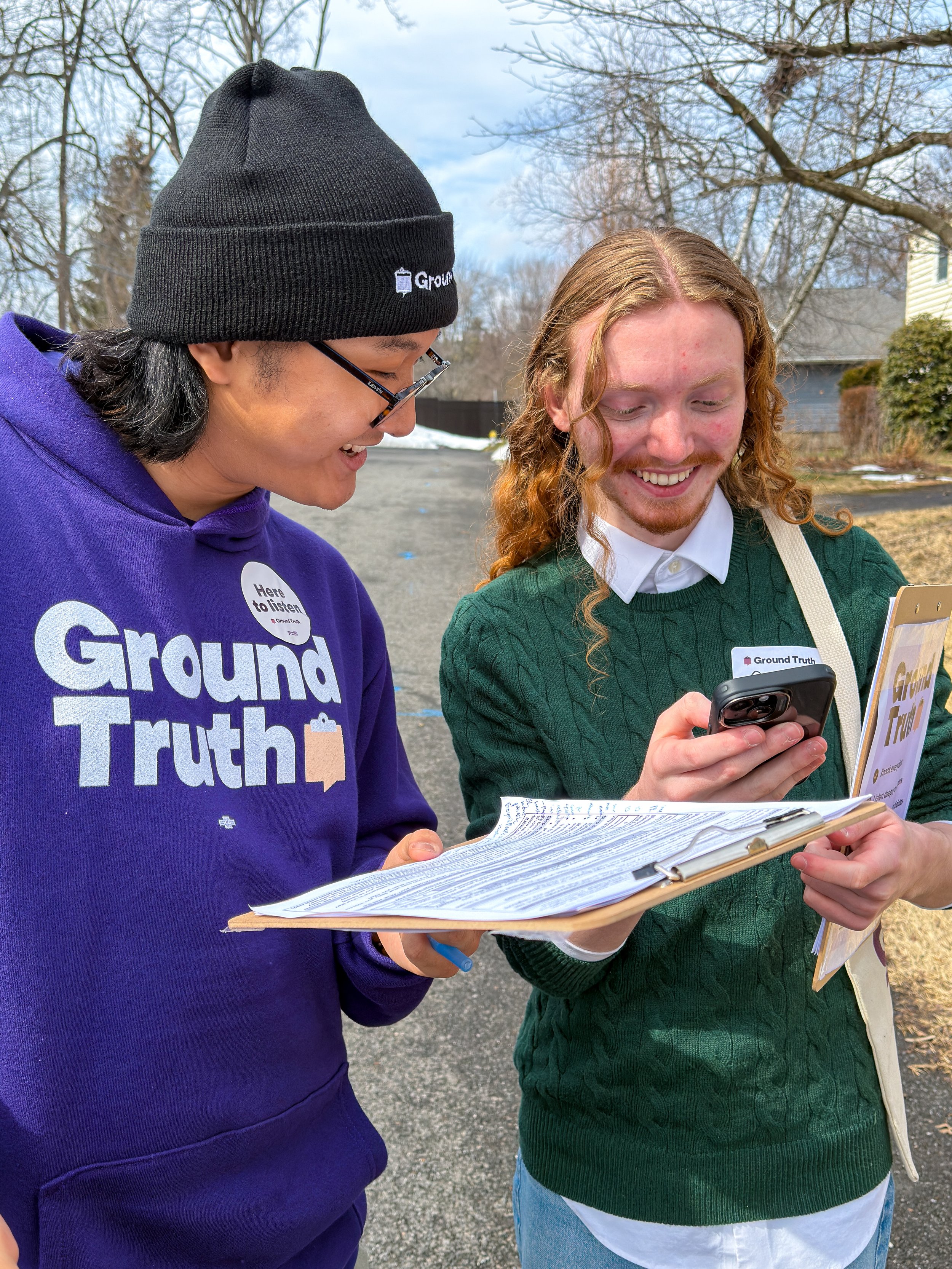
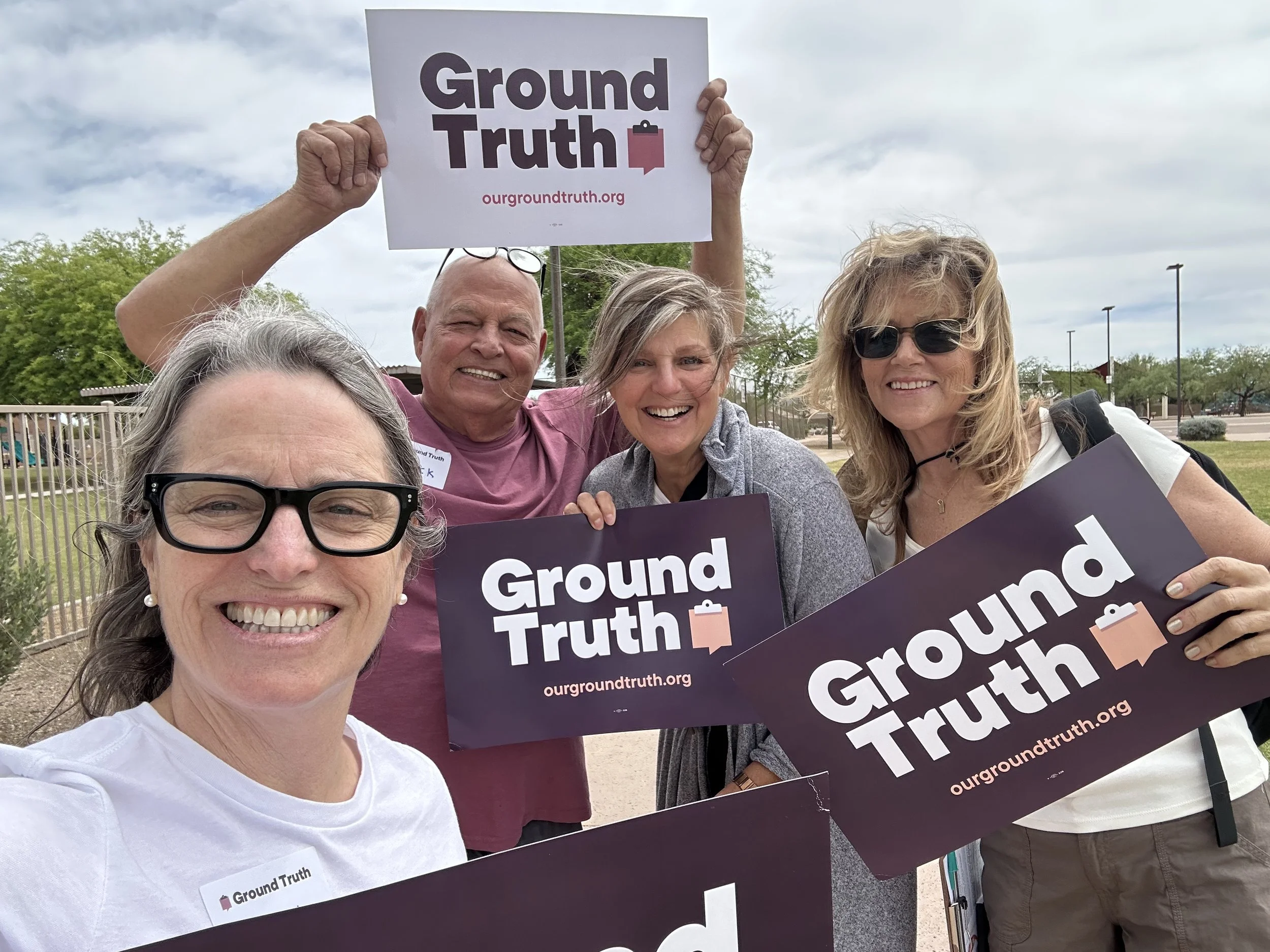
There’s a role for every one of us. Whether you live near a target district or not, whether you have a free afternoon, five minutes, or a semester off, and whether you have $5 or $50,000—we can point you to the highest impact action to take. Every little bit matters because the better we do this year, the better our chances of swinging the country left and staying there, rebuilding trust in democracy, and realizing a collective vision for a better future for all of us.
2025–2026 Goals
$25M
Raised to help elect Democrats in competitive elections
500K
Conversations with voters
2026 Target Races
More races are now competitive, and more people can have more impact, in more places, than at any point since Trump’s reelection. We’re adding new House targets, as well as key Senate and state-level targets that will shape the balance of power—and the rules of the game—for the next decade.
There are three types of targets:
Two types are races we must win to control the House or Senate: Must-Flip and Must-Hold. We are aiming to win as close to 100% of these races as possible. Because this is where elections are decided, and where falling short by even a few votes can mean losing power.
The third type—Reach Races—are more of a stretch, but are a no-brainer—because investment now could result in an extra seat, and if not, they build groundwork that will make it easier to win next time. We know going in we likely won’t win all of these, but with control of the Senate within reach and with limited chances to win more seats in 2028 and 2030, we have to treat each seat as an opportunity and compete hard for each one.
How we choose our targets
Choosing targets is both an art and a science. To help you invest in the races where grassroots time and resources can make the biggest difference between winning and losing, our team analyzes:

District-level data including past win or loss margins and voter turnout trends

Redistricting changes, top-of-ticket dynamics, and candidate quality

Where support this year has the potential to build momentum for future candidates

Where Swing Left has volunteer infrastructure—or where there is strategic rationale to grow it.
How We’ll Win Differently with Ground Truth
Over the years we saw the problems with traditional Democratic field campaigns through the eyes of our volunteers. Most field campaigns start too late, talk only to a narrow slice of voters, and treat every conversation as a transaction rather than a relationship, and disappear after Election Day.
After the big losses of 2024, we knew Democrats needed to do things differently. Also last year, the FEC issued an advisory opinion that cleared the way for organizations like ours to contact voters and make our data available to candidate campaigns and party committees.
So, in late 2025—over a year before Election Day—we decided to take things into our own hands by launching Ground Truth, and change the way things are done.
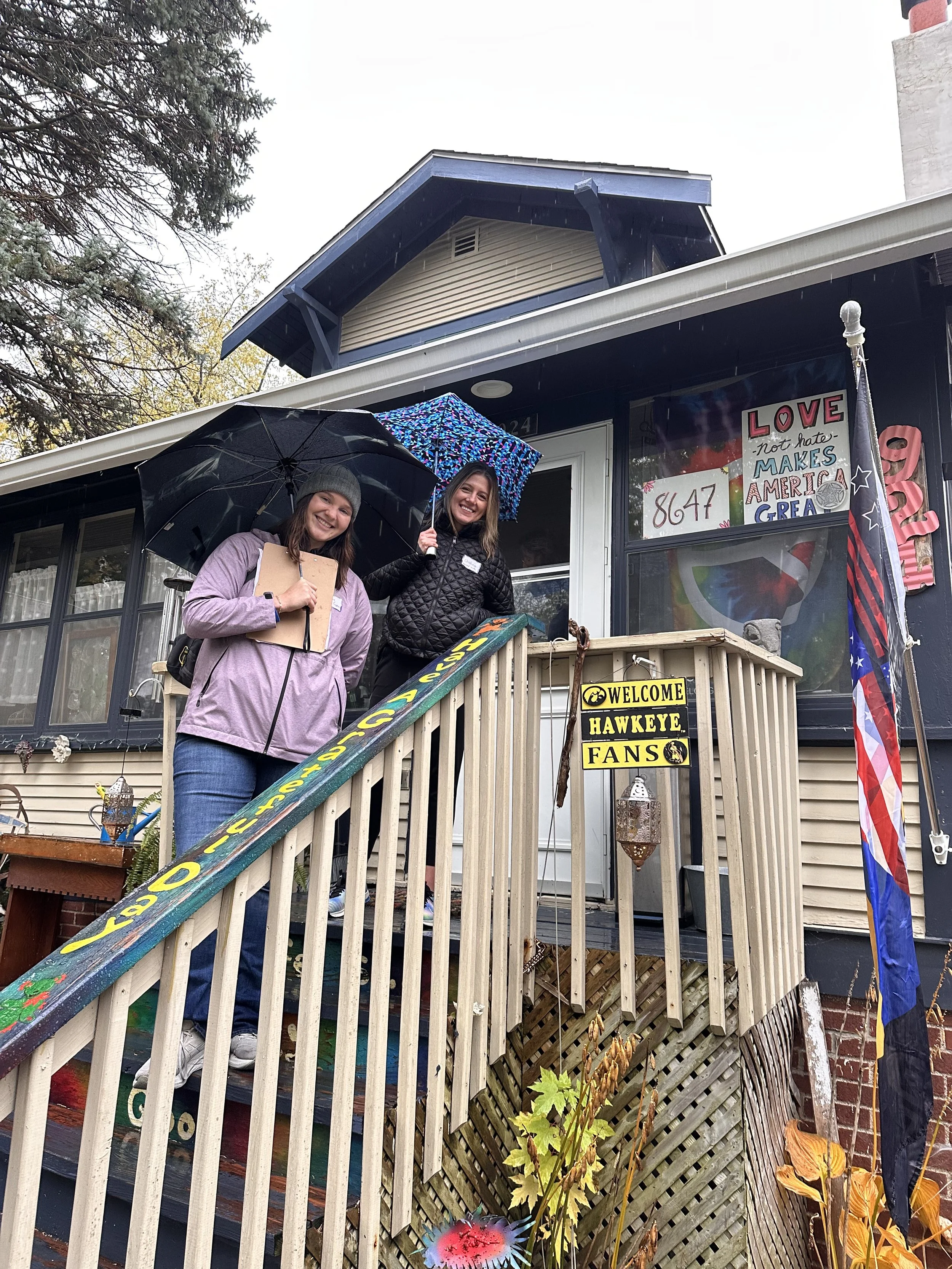
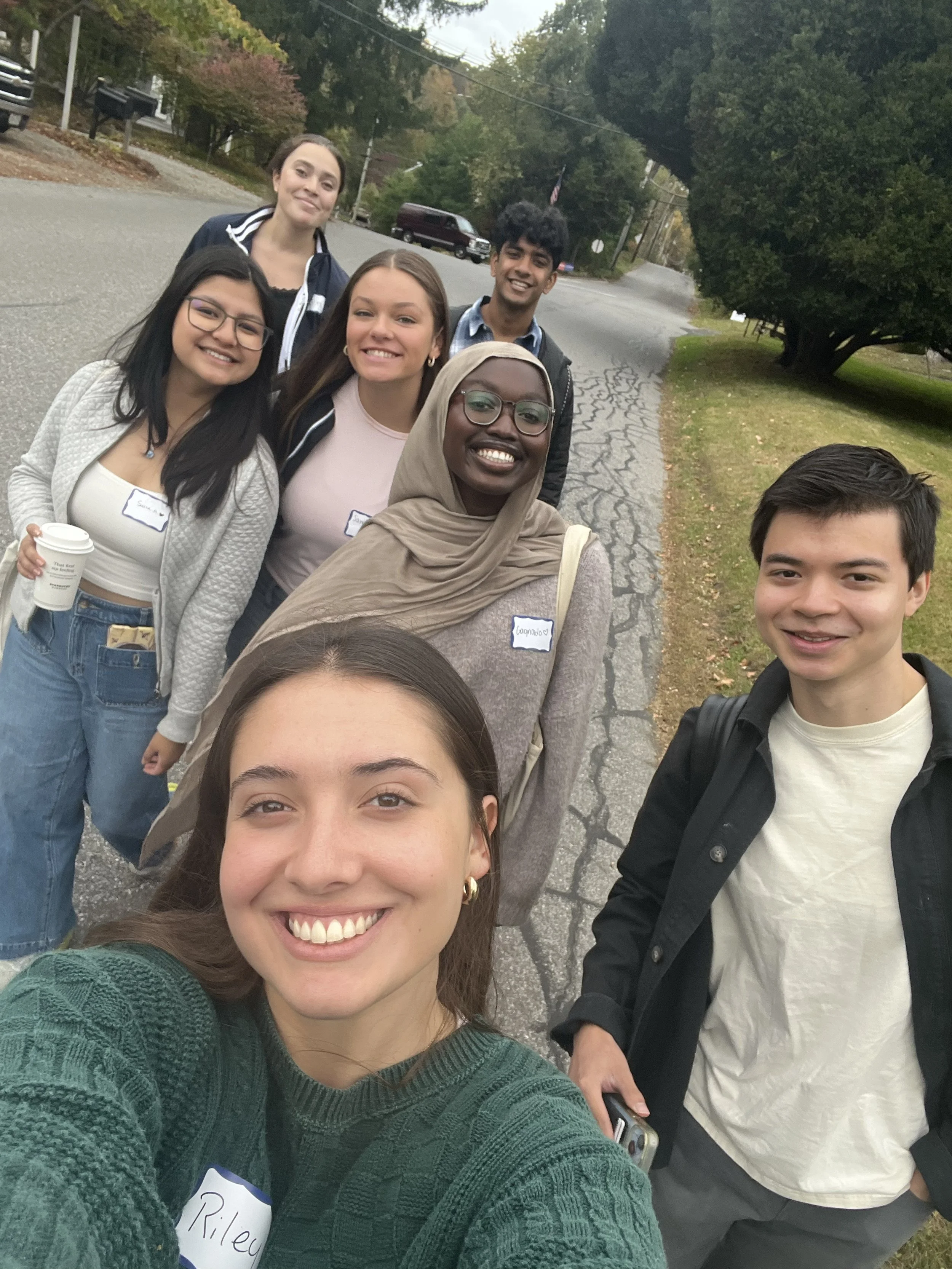
It’s a massive volunteer-powered listening program built around three core principles:
We talk to everyone. Ground Truth volunteers knock on every door in targeted precincts, including low-propensity voters and people campaigns would normally never contact. Because you can't persuade people you never talk to.
We listen deeply. Ground Truth conversations typicallyoften last 10 to 15 minutes and are built around genuine two-way exchange, not awkward scripts. Volunteers are trained to listen openly and non-judgmentally, creating the kind of trust that is a prerequisite for real persuasion.
We use technology to turn conversations into a new type of voter intelligence, distinct from focus groups and polls. After each conversation, volunteers record a summary of what they heard. We use custom-built AI tooling to identify themes and trends in the conversation data and identify opportunities for follow up. We then make these insights available to campaigns, elected officials and other partners so they can craft messaging that meets voters where they are, follow up on constituent needs, and make more informed decisions to win elections.
Support Swing Left’s
Ground Truth Program
Ground Truth is an innovative, people-powered canvassing program that’s helping Democrats win back power by reimagining how we connect with voters. Your donation will help scale our work in the swing districts key to flipping the House.
Download Swing Left’s full strategy report:
Get involved
Join a local group near you
Organizing is better with friends! Connect with likeminded folks in your area to canvass, phone bank, and more!
Connect with swing state voters
With Ground Truth, we’re starting earlier than ever and listening deeply to all swing district voters.
Call voters from anywhere
Join a virtual phone bank to call voters in the most competitive swing races from wherever you live.
For the Nerds
A 2024 FEC advisory opinion clarified that canvassing does not constitute a "coordinated communication" under campaign finance law—meaning organizations like Swing Left can make data available to candidate campaigns without triggering contribution limits.
Most progressive organizations haven't moved to take advantage of this yet.
Swing Left, through Ground Truth, is leading the way. That means the voter intelligence Ground Truth generates flows directly to the campaigns that can act on it. It means we can iterate our canvassing program hand-in-hand with campaigns rather than operating in a silo. And it means that when you volunteer with or donate to Ground Truth, your work is integrated into a coordinated strategy.