Volunteer resource
Know Before You Go: Canvassing
Thank you for canvassing with Swing Left! Review this guide to make sure you’re prepared to have an effective, fun, and safe canvassing shift.

Canvassing checklist
Before you arrive
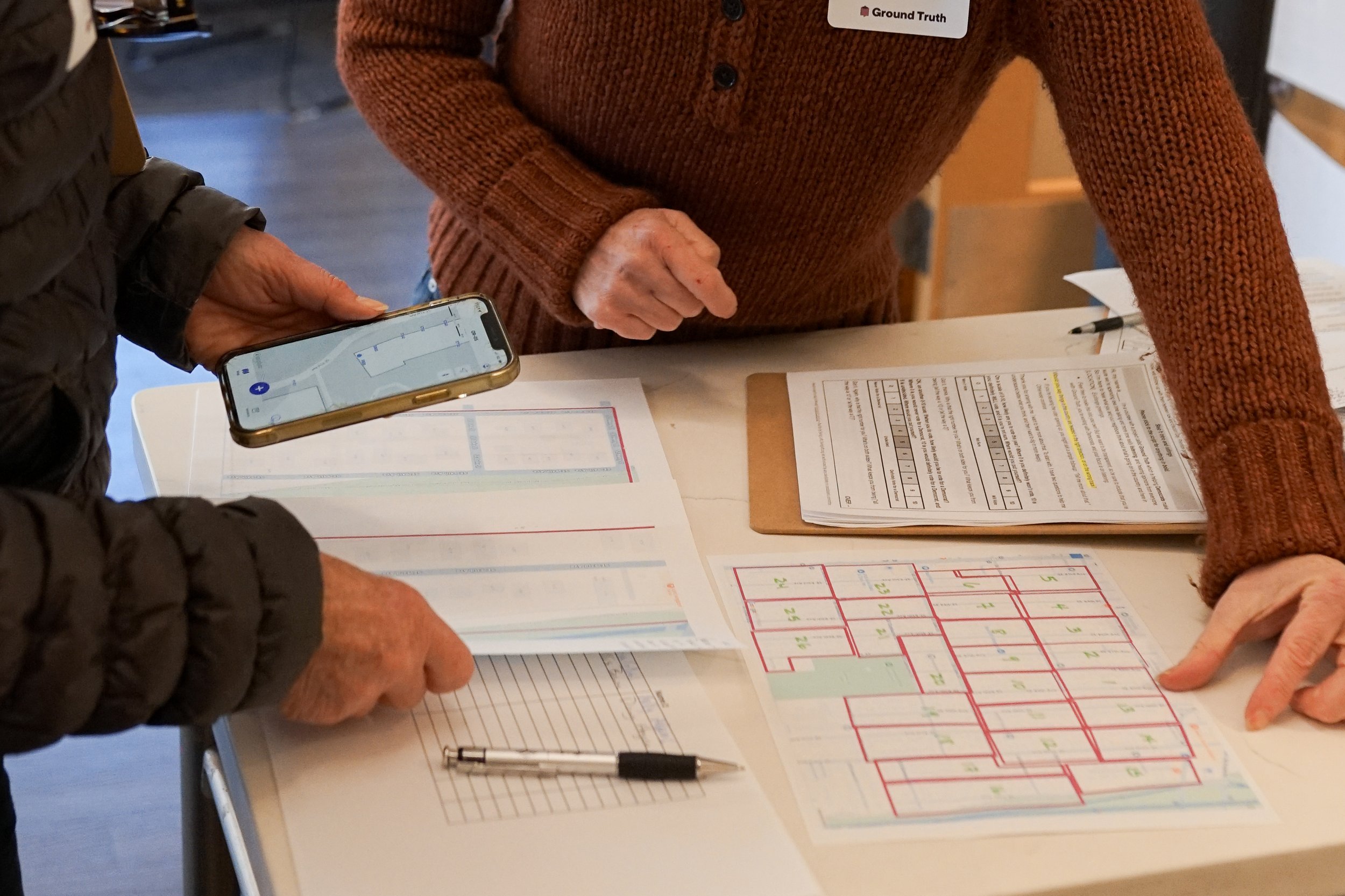
Download the MiniVAN mobile app. Here’s a guide to using MiniVAN, which is how the organizer will provide you with a list of voters to talk to and their addresses.
If you’re in California, download PDI Mobile instead and review this PDI guide.
Fully charge your phone, and bring a battery pack if you have one.
Wear comfortable shoes and clothes that are weather-appropriate.
Don’t forget weather gear that applies, such as sunscreen or a raincoat.
Bring snacks and water for yourself.
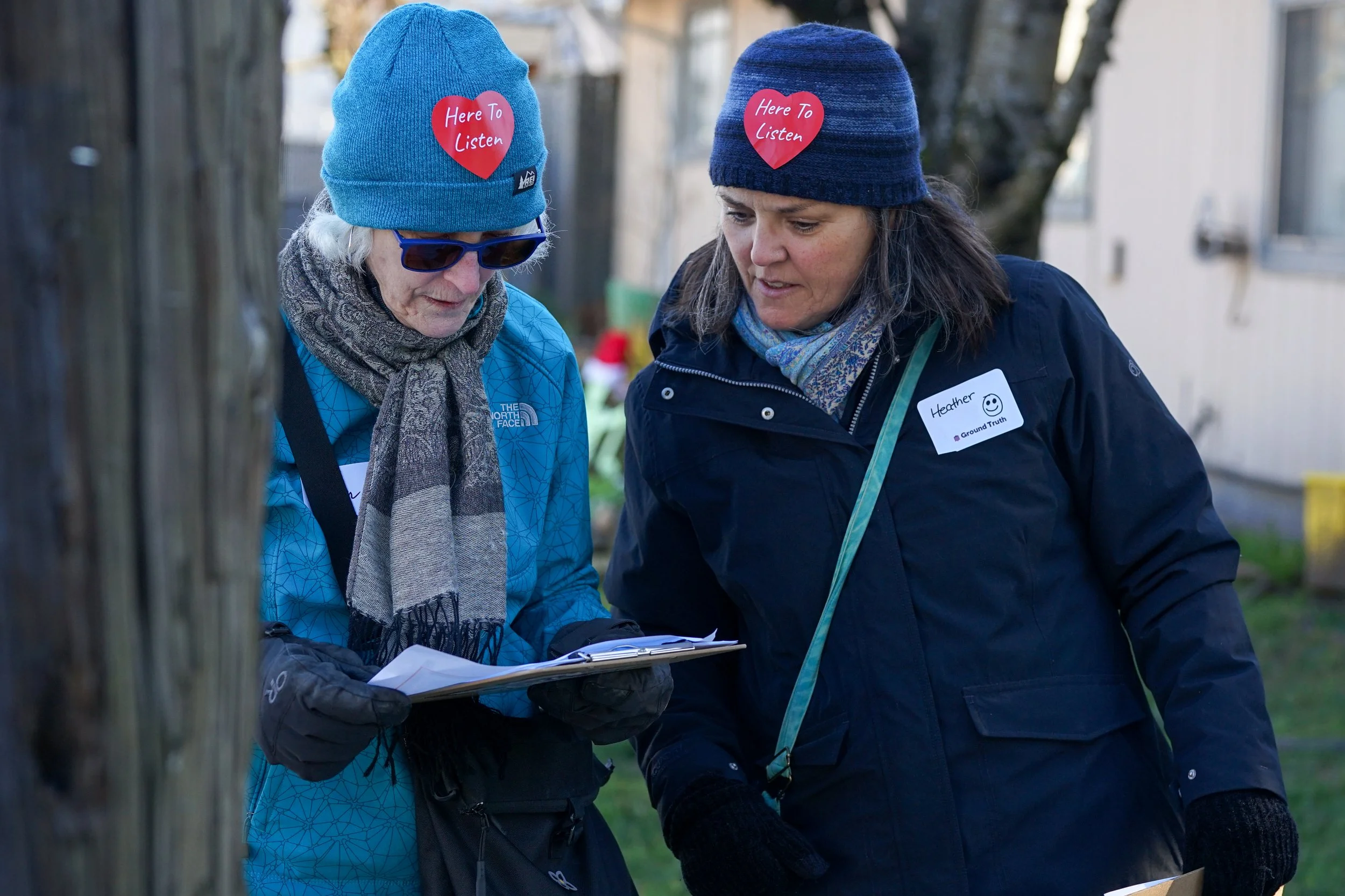
Bring a friend! Let’s face it—canvassing is more fun when you do it together! It’s also more efficient when you split the list and each person does one side of the street. Going in pairs can also be safer.
Before you hit the doors
Listen closely to the organizer’s training on the script, candidate, voting information, data practices, and more. Make sure you know how to record data from each knock. Now is your time to ask questions, too!
Get familiar with the script or key points, then make it your own (if using MiniVAN or PDI, you’ll see it once you get started with your list!).
Get the organizer’s phone number, and exchange contact information with the team member(s) you are paired with. Map your route and go over a safety plan.
After you hit the doors
Be sure that you’ve knocked all of the doors in your turf.
If you’re using MiniVAN (or PDI if in California), make sure you sync all of your data before you leave your canvass location (you can also sync as you go.)
Talk to the canvass organizer about when you can canvass again!
Take a moment to debrief your canvass with the event organizer and other participants— and feel free to tell us about it by emailing team@swingleft.org.
Tips and tricks
Have realistic expectations
It’s important to have realistic expectations before you head out. Depending on the location, you’ll knock on 30-60 doors during your canvass shift (your “turf” or “walk list”), and many of the voters on your list will not be home. You may talk to 10-20 percent of your list, and get commitments from 1-2 people. But don’t get discouraged—the people you talk to could be the difference between winning and losing on Election Day. It may feel slow, but you’re making a critical difference!
Take nothing personally. If somebody is rude to you, you don’t need to stay to finish the script or win a policy fight. Shake it off, say goodbye, and move on.
Don’t worry about being perfect! If you are new to canvassing, don’t be afraid to say it’s your first time—there’s nothing wrong with making it clear that you aren’t a professional. We do this work because we believe in the cause, which is a powerful message to voters.
Be the kind of person you’d want to talk to
Talk like a regular person. Don't be a robot or read directly from the script.
Smile a lot, listen, and be genuinely curious about talking with people you meet. Even though the stakes are high, keeping the conversation respectful and calm will help you have both a safer and a more effective encounter.
Stay positive! Instead of a negative line on the dangers of not voting (“if we don’t vote, we’ll lose everything”) try something like, “voting is our opportunity to make our voices heard.”
Know your “why.” Personal stories are a great way to connect with voters over shared values and emotions, and you can always come back to that in your conversations.
Be persistent, but not pushy
Instead of asking “Can I have a minute of your time?” say “I’m only going to take a minute of your time…”
Don’t worry about signs that say “no solicitors.” Remember, you aren’t selling anything, you are giving people an opportunity to make their voices heard. If you see visual cues that make you feel unsafe, however, such as signs of weapons or extremist groups, skip the house and make a note of it in your canvassing app or paper materials.
Listen to your gut. If a conversation makes you feel unsafe, politely say thank you and move to the next house. If you encounter someone who is openly hostile toward you, record that data, and let the organizer know when you return. Don’t hesitate to take a break if you need one.